
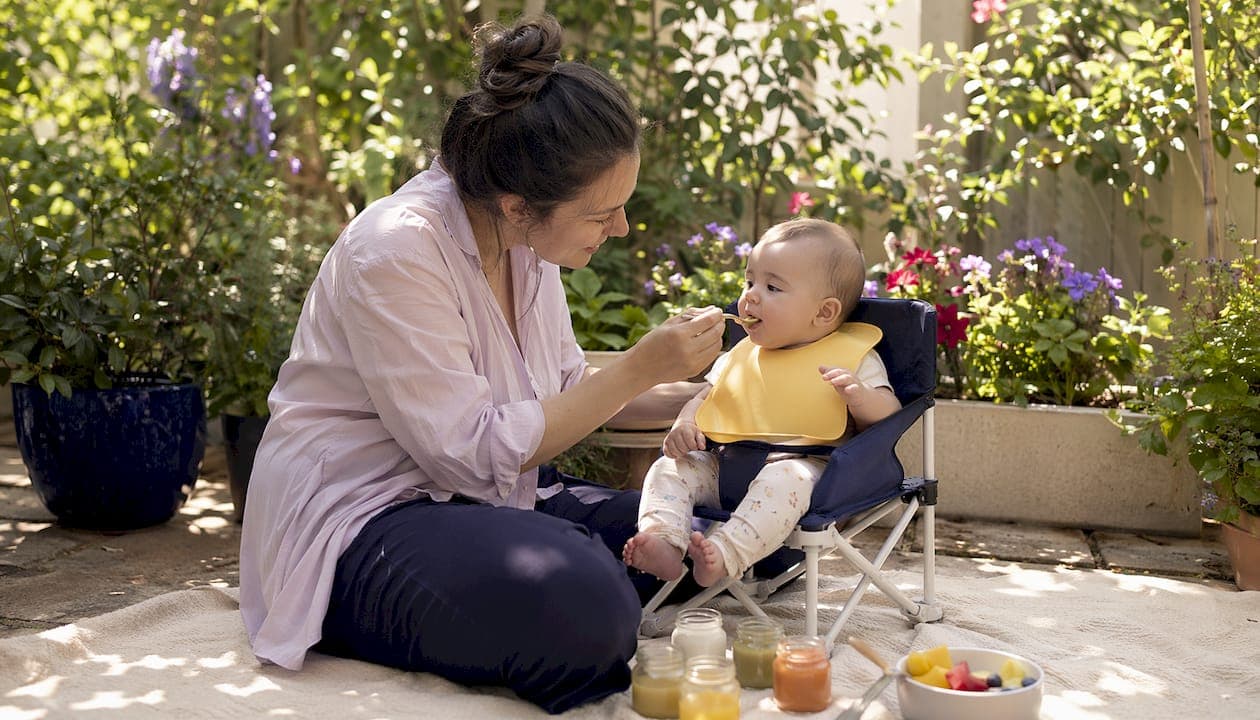
Constipation in a 6-month-old after starting solids is defined by hard, dry, difficult-to-pass stools, not by how often your baby goes. Clinically, this is called functional constipation, and it is one of the most common digestive complaints during the transition to solid foods. Your baby's gut is learning an entirely new job. Recognizing the difference between normal stool changes and true constipation lets you act quickly and confidently, without unnecessary panic or delayed care.
Why is my 6-month-old constipated after starting solids?
The digestive system of a 6-month-old is built for breast milk or formula. Solid foods introduce new textures, starches, and fiber levels that the gut has never processed before. That adjustment period is real, and it often shows up as firmer, less frequent stools.
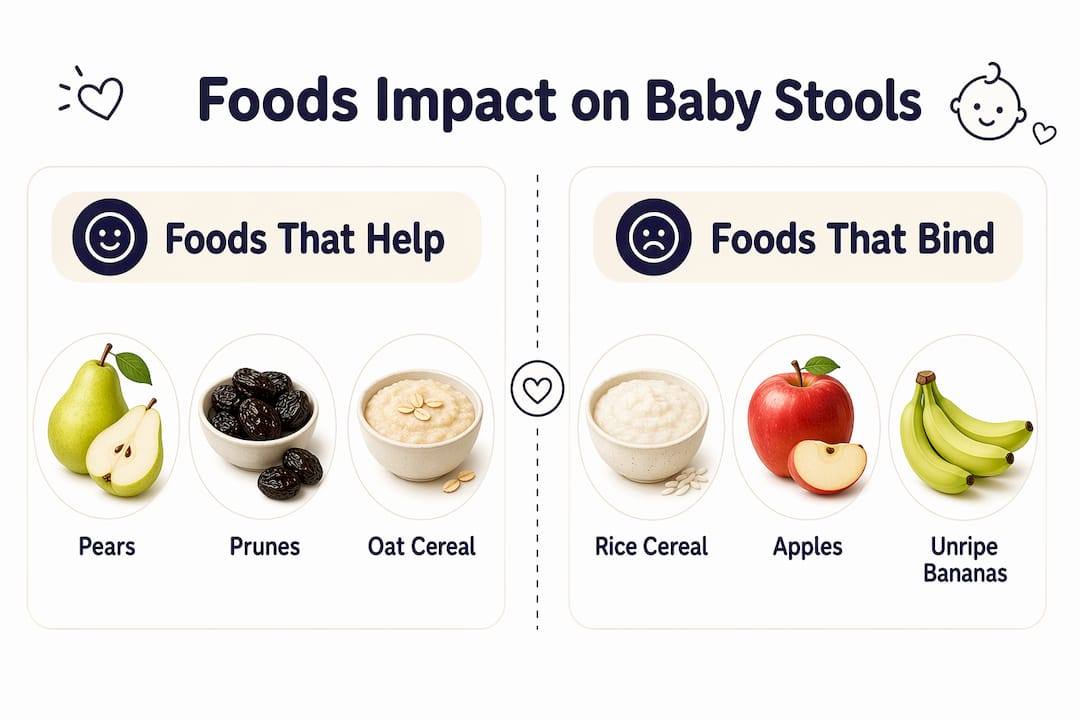
Certain first foods make this worse. The "ABC" rule identifies Apple purée, Bananas (especially unripe), and Cereals (rice) as common hidden causes of infant constipation. These foods are binding by nature. They slow gut motility and reduce stool softness, which is exactly the wrong effect when a baby's digestion is already under stress.
Ripeness matters more than most parents realize. Unripe bananas contain significantly more resistant starch than ripe ones, making them much harder for a young gut to process. A spotted, fully ripe banana is a gentler choice than a firm yellow one.
Formula-fed babies face a higher baseline risk than breastfed babies. Breastfed babies rarely experience true constipation because breast milk contains natural compounds that keep stools soft. Formula does not replicate this effect, so formula-fed babies starting solids need extra attention to hydration and fiber intake.
Here are the most common dietary causes of constipation when introducing solids:
- Rice cereal: Low fiber, high starch, and very binding
- Unripe bananas: High in resistant starch that slows digestion
- Apple purée: Binding effect from pectin content
- Cow's milk-based formula: Less laxative effect than breast milk
- Low fluid intake: Insufficient hydration concentrates stools
Pro Tip: Swap rice cereal for oat cereal. Oats contain beta-glucan fiber, which supports softer stools and is a gentler first grain for most babies.
How do you know if your baby is truly constipated?
True constipation is about stool consistency, not frequency. Stool consistency is more accurate than frequency for diagnosing constipation in infants. A baby who goes every three days but passes soft stools is not constipated. A baby who strains and produces hard, pellet-like stools every day is.
Many parents worry when their baby's bowel movement pattern shifts after starting solids. This shift is normal. Stools become firmer, darker, and less frequent as the gut adapts to new foods. That alone is not a problem.
Watch for these signs that point to true constipation:
- Hard, dry, or pellet-shaped stools
- Visible straining, crying, or arching during a bowel movement
- A swollen or firm belly
- Blood on the stool surface from small anal tears
- No bowel movement for 3 or more days combined with hard stools
Consistency and ease of passage are the two markers that matter most. Frequency alone tells you very little. Breastfed babies can go several days between stools and remain perfectly healthy, while formula-fed babies typically go more often. Knowing your baby's personal baseline before solids helps you spot a real change.
A note on normal variation: Some babies go once a day. Others go once every two to three days. Both can be normal. What changes with constipation is the texture and the effort required to pass the stool.
What foods help relieve constipation in a 6-month-old?
Diet is the most direct lever you have. High-fiber, sorbitol-rich fruits like pears and prunes are a reliably effective first-line remedy for infants aged 6 months. Sorbitol is a natural sugar alcohol that draws water into the gut, softening stools without any medication.
The goal is not to eliminate all binding foods. It is to balance them with foods that move things along. Stopping solids entirely disrupts digestive adaptation and is not recommended. Adjusting food types and hydration is the right approach.
Foods that help vs. foods that bind
| First food | Effect on stools | Better alternative |
|---|---|---|
| Rice cereal | Binding, low fiber | Oat cereal |
| Unripe banana | Very binding, high resistant starch | Ripe banana or mango |
| Apple purée | Mildly binding | Pear purée |
| White potato | Starchy, can slow motility | Sweet potato |
| Plain water crackers | Low fiber, drying | Avocado purée |
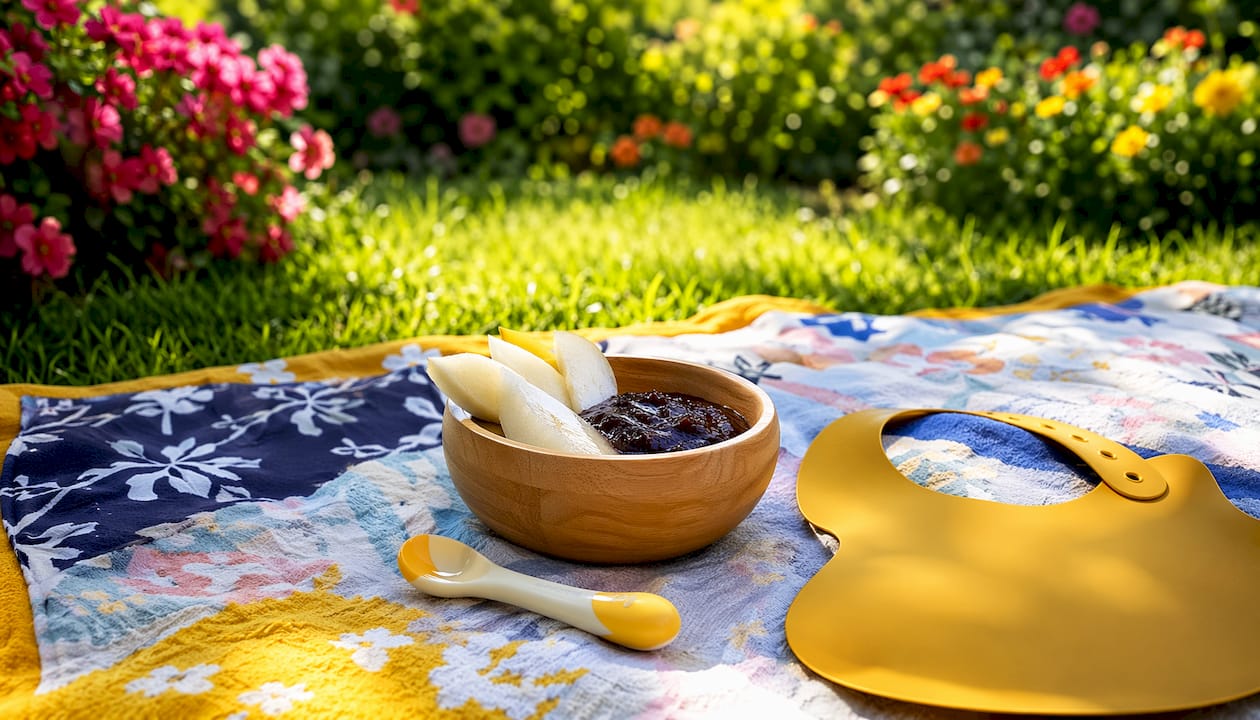
Pear purée stands out as one of the best starting points. It is mild in flavor, well tolerated by most babies, and reliably effective at softening stools. Prune purée works faster but has a stronger taste that some babies reject at first. Peach purée is a good middle ground.
For hydration, continue breast milk or formula as the primary fluid. Small sips of water (2–4 oz per day) are appropriate for babies 6 months and older who are eating solids. Do not replace feeds with water. Breast milk and formula still provide the bulk of nutrition and fluid at this stage.
- Offer pear, prune, or peach purée once or twice daily
- Reduce or temporarily pause rice cereal
- Add pureed peas, broccoli, or lentils for fiber-rich variety
- Continue regular breast milk or formula feeds
- Offer small amounts of water between meals if your baby is formula-fed
Pro Tip: Mix a teaspoon of prune purée into oat cereal. The combination delivers both soluble fiber and sorbitol in one meal, and the oat flavor softens the intensity of the prune.
Non-dietary ways to help a constipated baby
Physical movement directly supports digestion. Gentle leg bicycling and clockwise tummy massages stimulate bowel motility in 6-month-old infants. These techniques are safe, free, and easy to build into your daily routine.
Regular playtime and movement also support bowel regularity in babies aged 5–7 months. Physical activity gets the gut moving in the same way it does for adults. Tummy time, rolling practice, and supported sitting all contribute.
Here is a simple daily routine to support digestion:
- Morning tummy time: 5–10 minutes of supervised tummy time after the first feed
- Leg bicycling: Gently cycle your baby's legs in a circular motion for 2–3 minutes, twice daily
- Tummy massage: Use two fingers to make small clockwise circles on your baby's belly, starting near the navel and moving outward
- Warm bath: A warm bath relaxes the abdominal muscles and can trigger a bowel movement
- Supported sitting: Holding your baby in a seated position uses gravity to help move things along
These techniques work best as a consistent practice, not a one-time fix. Build them into diaper change routines or bath time so they happen naturally every day.
When to call your pediatrician:
- Constipation lasts more than one week despite dietary and physical changes
- Your baby shows signs of significant pain or distress
- You see blood in the stool
- Your baby is losing weight or refusing feeds
- The belly looks visibly swollen and hard
Never use laxatives, suppositories, or enemas without direct guidance from your baby's doctor. These interventions are sometimes appropriate but require medical supervision.
Key takeaways
Constipation in a 6-month-old after starting solids is defined by hard, dry stools and difficulty passing them, and it resolves in most cases through targeted dietary swaps, adequate hydration, and consistent physical techniques.
| Point | Details |
|---|---|
| Stool consistency is the key marker | Hard, pellet-like stools signal constipation; frequency alone does not. |
| Binding foods drive most cases | Rice cereal, unripe bananas, and apple purée are the most common dietary triggers. |
| Pear and prune purée work first | Sorbitol-rich fruits soften stools reliably without medication. |
| Physical techniques support the diet | Daily leg bicycling and clockwise tummy massages stimulate bowel motility. |
| Do not stop solids | Adjusting food types is safer and more effective than pausing solid foods entirely. |
What I've learned from watching parents navigate this
Parents almost always panic about frequency first. They count days between diapers and assume something is wrong. The real question is always: what does the stool look like when it comes out?
I've seen parents pull back all solids the moment their baby skips a day. That instinct is understandable, but it backfires. Constipation during the introduction of solids is usually temporary and reflects digestive learning rather than illness. Pulling back disrupts that learning process.
The parents who navigate this best are the ones who treat it like a detective exercise. They keep a simple food log for one to two weeks, noting what the baby ate and what the stool looked like the next day. Tracking foods and stool changes over that window consistently reveals the specific trigger. It is almost always one or two foods, not the entire solid food project.
My honest advice: swap one food at a time, add pear purée, and give it three to four days before drawing conclusions. Most cases resolve without any medical intervention. The ones that do not resolve are the ones worth calling your pediatrician about, and those parents are always glad they waited long enough to have real data to share.
Mellow's support for babies starting solids
Watching your baby struggle with digestion is hard, especially when you are still learning what normal looks like at each stage. Mellow is built for exactly this moment.

Mellow's 8–10 months guidance covers the full arc of solid food introduction, from first tastes through more complex textures, with age-specific advice on what to expect at each step. The platform prepares you ahead of each stage so you are not searching for answers at 2 AM. For parents whose babies are moving toward the next developmental window, the 11–14 months resources address the nutritional transitions that follow. Mellow gives you the context to tell the difference between a rough week and a real problem.
FAQ
What is the fastest way to relieve constipation in a 6-month-old?
Offer pear or prune purée and perform gentle leg bicycling twice daily. Most babies show improvement within 24–48 hours of these combined dietary and physical changes.
Should I stop solids if my baby is constipated?
No. Stopping solids disrupts digestive adaptation and is not recommended. Swap binding foods like rice cereal for oat cereal and add sorbitol-rich fruits instead.
How often should a 6-month-old poop after starting solids?
There is no single normal number. Some babies go daily, others every two to three days. What matters is that stools are soft and pass without significant effort or distress.
Can breastfed babies get constipated after starting solids?
Yes, though it is less common. Breastfed babies rarely experience true constipation before solids, but introducing binding foods can cause it regardless of feeding method.
When should I call the doctor about baby constipation?
Call your pediatrician if constipation lasts more than one week, if you see blood in the stool, or if your baby shows signs of significant pain or refuses to feed.
— Mauricio